Oakville Orthodontics Services
Straighter smiles, led by certified specialist.
Straighter smiles, led by certified specialist.
Evidence-based treatment in Oakville, led by orthodontist Dr. Anuraj Kochhar. We specialize in functional smiles using teeth braces and clear aligners.
Book Free Consultation
AS SEEN IN & AFFILIATED WITH






Age-Based Care
Early orthodontic treatment helps guide jaw growth and tooth development while a child is still growing.
It may be recommended when there are concerns with bite, spacing, crowding, or oral habits.
Starting at the right time can make future treatment simpler and more effective.
Not every child needs early treatment, but timely evaluation can be very important.
Our goal is to create the healthiest foundation for a growing smile.
At this stage, many permanent teeth are in place, and growth can still be used to our advantage.
Treatment may include braces, clear braces, or clear aligners depending on the smile and bite.
We focus on achieving beautiful results while keeping treatment practical for school, sports, and daily life.
Our team works closely with teens and families to make the process smooth and supportive.
Many adults choose orthodontics to improve their smile, bite, and long term dental health.
Options may include braces, ceramic braces, lingual braces, or clear aligners.
Adult treatment plans are thoughtfully designed around lifestyle, comfort, and aesthetic goals.
It is never too late to invest in a healthier, more confident smile.
Wondering about the cost? We offer flexible, interest-free payment plans for both braces and Invisalign. Secure your free, no-obligation pricing breakdown today.
Age-Based Care

Braces & Aesthetic Options
Braces & Aesthetic Options
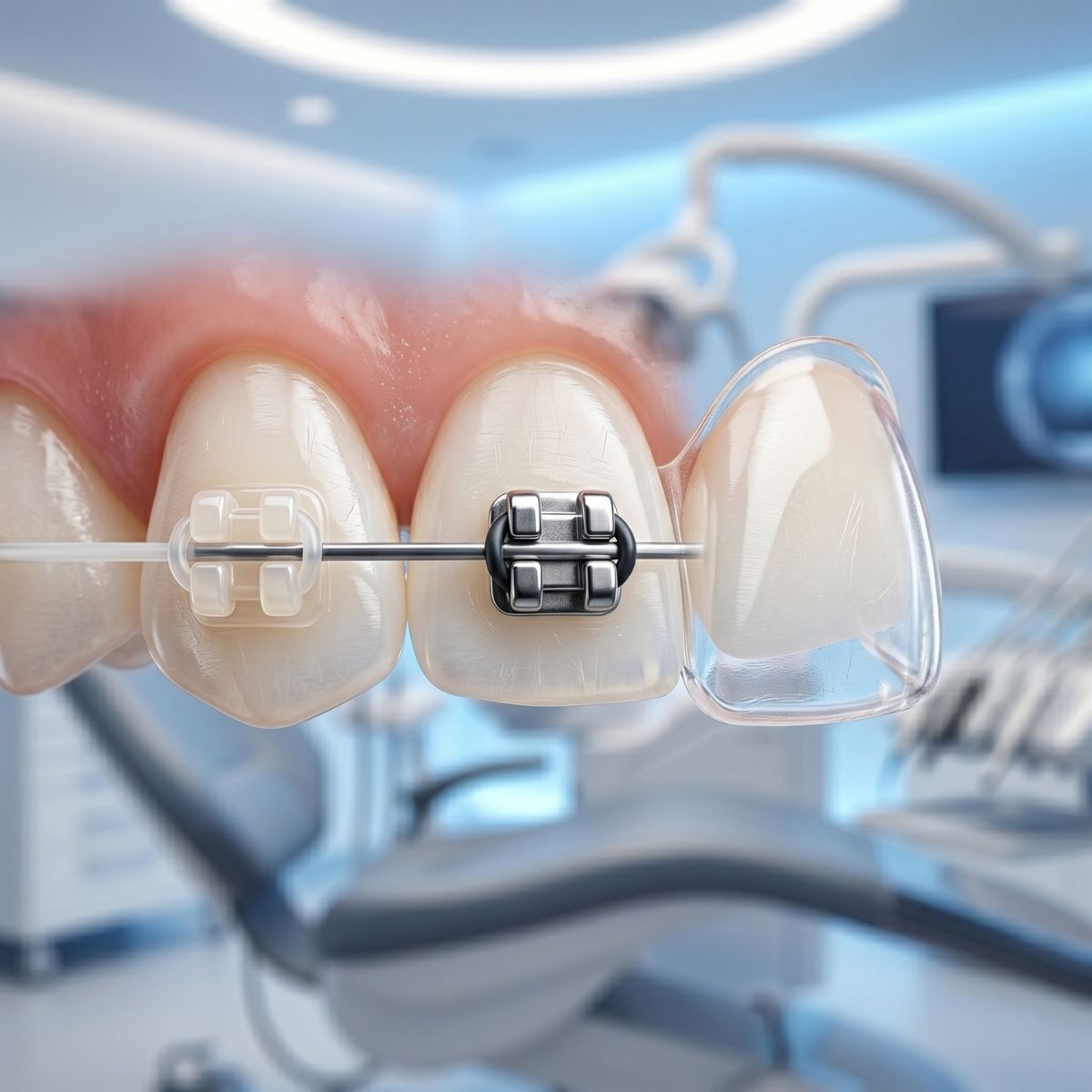
They use tooth coloured or clear brackets, making them a popular choice for teens and adults.
Ceramic braces can effectively treat crowding, spacing, and bite concerns.
They blend in more naturally with the smile than traditional metal braces.
This option is ideal for patients who want braces with a softer, less noticeable look.
They are a wonderful choice for patients who want a highly discreet orthodontic option.
Lingual braces can treat many of the same concerns as traditional braces.
Because they are custom positioned, treatment is carefully tailored to your smile.
They are especially popular with adults seeking a more hidden treatment solution.
They use a series of custom made trays to gradually move your teeth into position.
Aligners are removable, making brushing, flossing, and eating easier during treatment.
They are popular with teens and adults who want a discreet and flexible option.
Clear aligners can address crowding, spacing, and many bite concerns when carefully planned.
They are ideal for mild, moderate, and more complex orthodontic concerns.
Today’s braces are smaller, more comfortable, and more refined than ever before.
They work by gradually guiding the teeth into healthier, more balanced positions.
Metal braces are a trusted option for children, teens, and adults alike.
This allows for efficient tooth movement with less friction.
Many patients find them easier to keep clean and more comfortable during treatment.
They can be used to correct a wide range of orthodontic issues.
Self ligating braces are a modern treatment option for both teens and adults.
From crystal-clear ceramic to modern metal braces, we customize options for every budget. Claim your complimentary digital smile scan during your visit.
Growth Guidance & Appliances
They are often used in younger patients during key stages of growth.
These appliances can help improve crowding, crossbites, and arch development.
By addressing certain issues early, they may reduce the need for more complicated treatment later.
Each appliance is selected carefully based on your child’s specific needs.
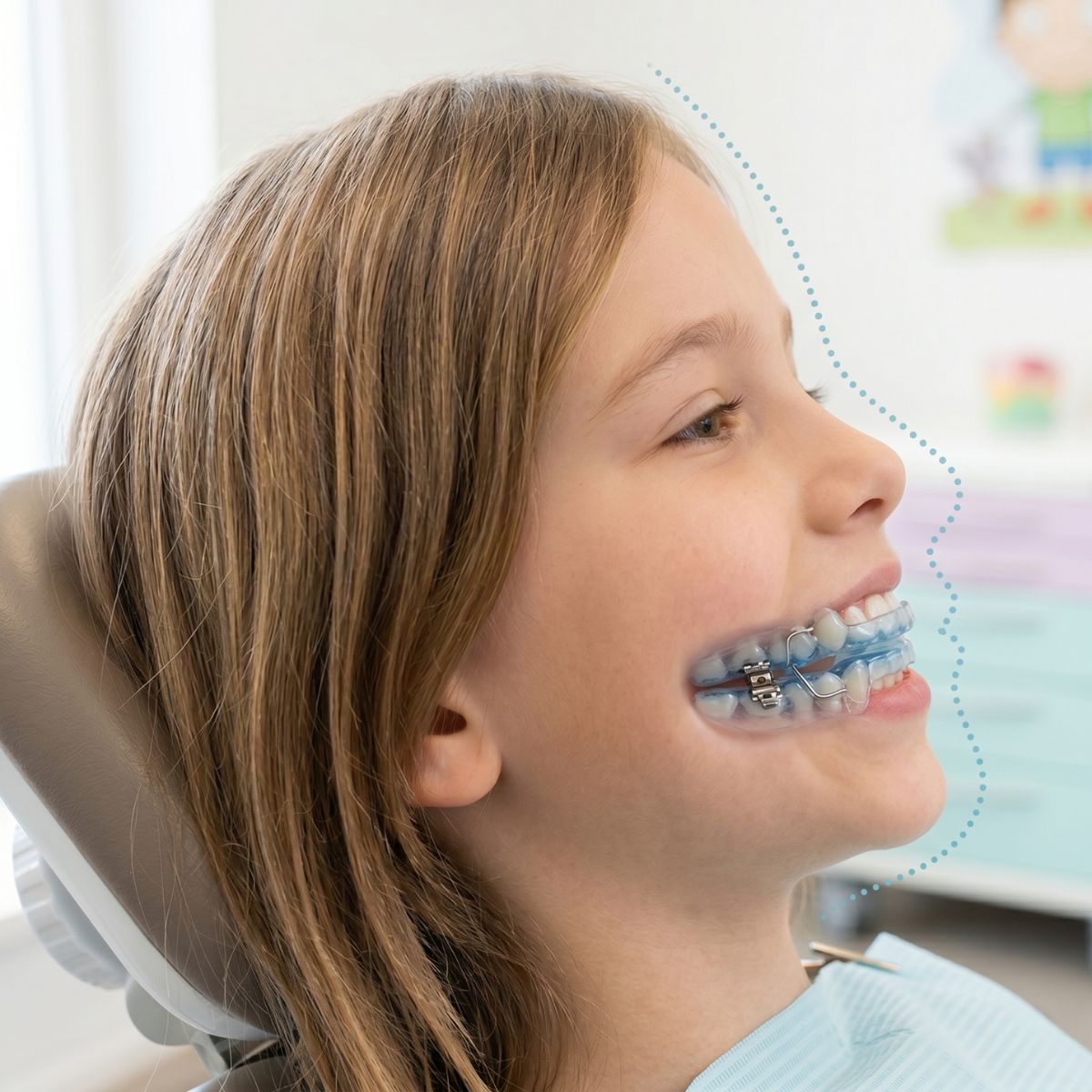
They are most often used in growing children and teens.
These appliances can be helpful when the bite is affected by jaw position rather than just tooth position.
Treatment is carefully timed to take advantage of active growth.
Functional appliances can play an important role in creating facial balance and a healthier bite.
Removable appliances are designed to address selected orthodontic concerns while allowing flexibility in daily life.
They may be used for early treatment, habit correction, space management, or minor tooth movement.
Because they can be taken out, success depends greatly on consistent wear.
Our team provides clear instructions so patients and families know exactly how to use them.
When used properly, removable appliances can be a very helpful part of treatment.
They are a very important part of treatment, as teeth naturally have a tendency to shift over time.
Depending on your needs, retainers may be removable or fixed.
Wearing them as instructed helps protect the result you worked so hard to achieve.
Retention is the key to keeping your smile straight and stable for years to come.
Early evaluations prevent complex orthodontic issues later in life. Book a comfortable, child-friendly growth assessment for your peace of mind.
Growth Guidance & Appliances
Specialized & Surgical Care
Specialized & Surgical Care
This treatment combines orthodontic care with jaw surgery to improve function, balance, and facial harmony.
It may be recommended for severe bite discrepancies, jaw asymmetry, or significant skeletal concerns.
Planning is detailed and highly individualized, often in collaboration with an oral and maxillofacial surgeon.
The result can be life changing for both oral function and facial aesthetics.
This approach may involve arch development, growth guidance, or carefully planned tooth movement.
It is not suitable for every case, but it can be an excellent option for many patients.
The decision always depends on facial balance, bite, crowding, and long term stability.
Our treatment planning is individualized to achieve the best outcome for each smile.
Extraction based treatment may be recommended for severe crowding, protrusion, or specific bite concerns.
This decision is made thoughtfully and only when it supports the overall treatment goals.
Careful planning helps create a result that is functional, aesthetic, and stable.
We take time to explain all options clearly so patients feel informed and confident.
It may be suitable for patients with mild crowding, spacing, or limited cosmetic concerns.
This option is often shorter and more focused than comprehensive orthodontic treatment.
A full assessment is important to determine whether limited treatment is appropriate.
Our goal is always to recommend the option that is healthiest and most stable long term.
When appropriate, orthodontic assessment may form one part of a broader evaluation of the bite and jaw relationship.
Treatment recommendations depend on the cause of the symptoms and may require a multidisciplinary approach.
Not all TMJ or TMD concerns are solved with orthodontics alone.
A careful diagnosis is essential before deciding whether orthodontic treatment is indicated.
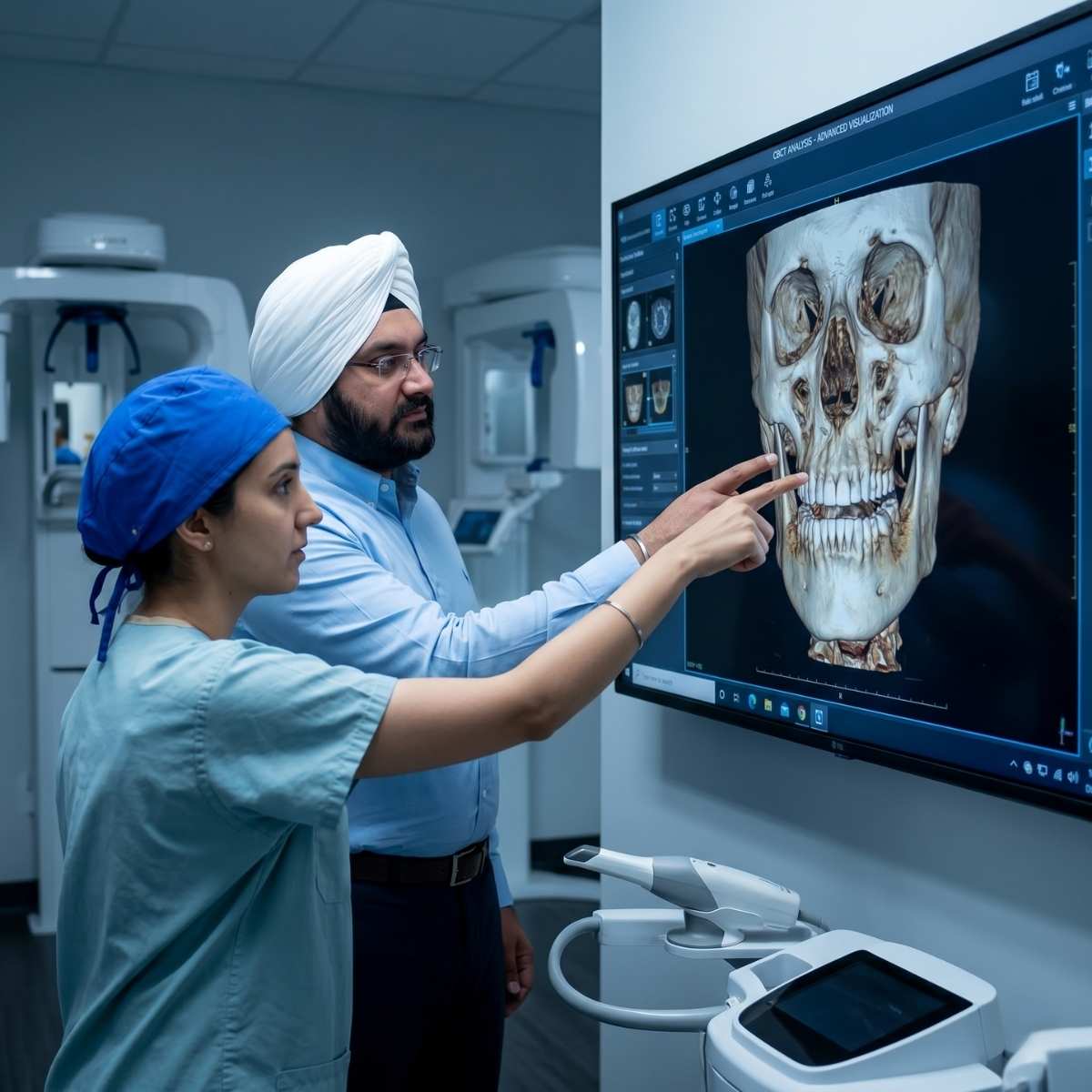
Utilizing advanced 3D digital imaging to plan highly precise, specialized clinical treatments. Book a advanced consultation with Dr. Kochhar to review your custom case layout.
Modern Orthodontic Experience
Using photos and digital tools, we can monitor tooth movement and provide guidance from a distance.
This can be especially helpful for busy patients and families.
It helps keep treatment on track while reducing unnecessary appointments when appropriate.
Remote monitoring adds convenience without compromising thoughtful orthodontic care.
The right approach depends on the patient’s age, smile goals, and type of treatment.
In some cases, excellent compliance and careful treatment planning can help shorten overall treatment time.
Not every case can or should be rushed, as stability and quality remain the priority.
Our focus is always on achieving beautiful, healthy results in the safest and most effective way.
Skip the messy dental molds. Our advanced digital scanners design your treatment plan in minutes. Reserve your digital consult slot today.
Modern Orthodontic Experience
Airway Orthodontics
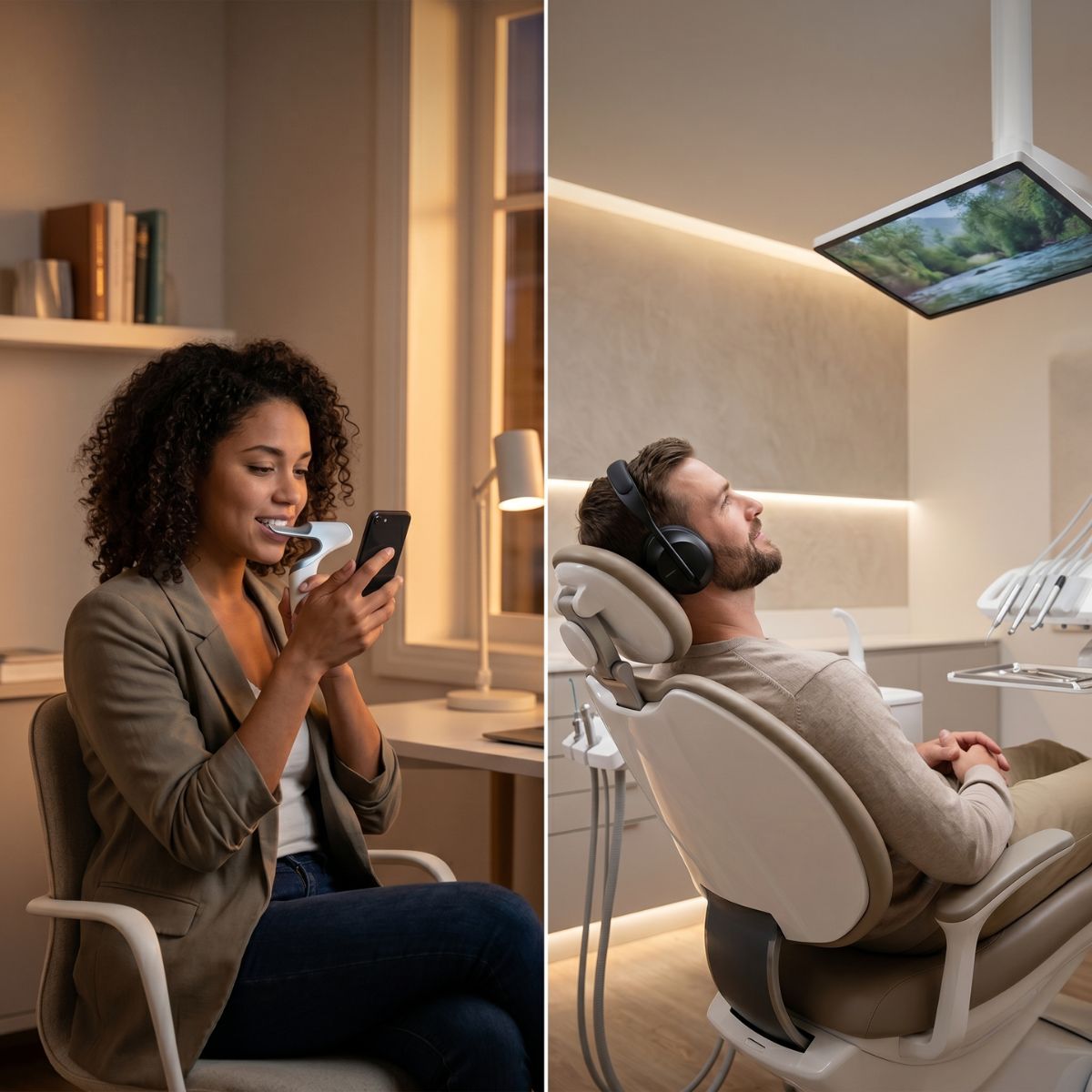
OSA is a medical diagnosis, not an orthodontic visual diagnosis. A narrow palate, crowding, lip incompetence, mouth breathing, or a “small looking airway” on CBCT may raise suspicion, but OSA is diagnosed with objective sleep testing, not with photos, cephs, or scans alone.
Premolar extractions have not been shown to cause OSA. One frequently cited electronic health records review found no relationship between premolar extraction and obstructive sleep apnea.
Tongue tie is not an established cause of OSA, and frenectomy should not be marketed as proven OSA prevention or cure. A 2020 expert consensus statement reported no evidence that ankyloglossia causes sleep apnea. Some newer studies suggest possible association in children, but association is not proof of causation.
Airway orthodontics is not fake, but it is often overclaimed. Craniofacial form does matter, yet OSA is multifactorial. Anatomy, tongue size and position, pharyngeal length, and body habitus all contribute, so the dental arches are only one part of the story.
A bigger airway on CBCT does not automatically mean a cured patient. Imaging changes are surrogate findings. True treatment success still has to be shown with symptoms and follow up sleep testing.
Rapid maxillary expansion may help selected children, but not every child. Reviews suggest benefit in properly selected pediatric OSA cases, especially where maxillary constriction is present, but the evidence is still limited by heterogeneity, small samples, and weak long term data.
Expanding every child “to prevent future OSA” is not evidence based. Pediatric OSA affects only a minority of children, commonly around 1 to 5 percent, so blanket expansion would overtreat many children. In uncomplicated childhood OSA, adenotonsillar hypertrophy and obesity remain major guideline recognized drivers.
The rise in tongue tie diagnosis is one reason for caution. Population studies from the US and Canada show major increases in ankyloglossia diagnosis and frenotomy rates, which supports concern about overdiagnosis and overtreatment.
Functional appliances may improve airway dimensions, but that does not make them a proven cure for pediatric OSA. Reviews report short term airway enlargement and possible clinical benefit, yet also conclude that effectiveness cannot be firmly established because of study design weaknesses.
In adults, evidence based dental sleep treatment is not “move teeth and cure apnea.” The best supported dental intervention is a custom, titratable mandibular advancement oral appliance used with sleep physician oversight, mainly for adults who cannot tolerate CPAP or prefer an alternative. CPAP still generally reduces AHI more than oral appliances.
Adult expansion is an emerging niche, not a universal OSA treatment. Current studies and reviews focus on selected adults, often non obese patients with transverse maxillary deficiency, so those findings should not be generalized to all adult OSA patients.
- Kapur et al. AASM diagnostic testing guideline for adult OSA, 2017.
- Marcus et al. AAP childhood OSA guideline, 2012.
- Ramar et al. AASM and AADSM oral appliance guideline, 2015.
- Larsen et al. Premolar extraction and OSA, 2015.
- Messner et al. Ankyloglossia consensus statement, 2020.
- Hartfield et al. Anatomical determinants of upper airway collapsibility, 2023.
- Yu et al. Pediatric orthodontic appliances systematic review and network meta analysis, 2023.
Orthodontics designed to improve facial development, breathing mechanics, and sleep quality. Schedule a functional airway screening with our certified specialist today.
Your Journey to a Specialist Smile Starts Here
Not sure if you’re ready for teeth braces or clear aligners? We make the first step simple. Click below to begin your consultation.
Meet Dr. Anuraj Kochhar
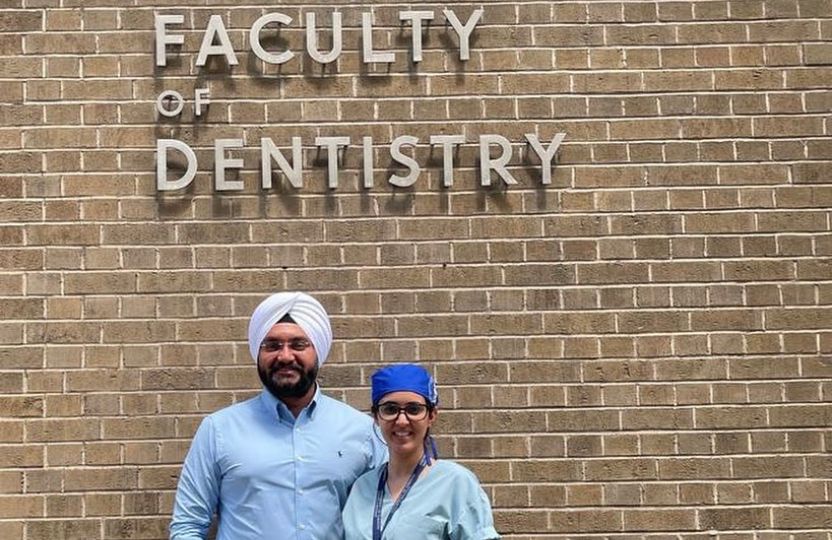
Dr. Anuraj Kochhar is a Certified Specialist in Orthodontics with a refined and detail driven approach to care. He is known for creating beautifully balanced smiles with precision and expertise. His treatment philosophy blends advanced orthodontics with a modern patient experience. As a Clinical Instructor at the University of Toronto, he brings academic excellence to every case.
Education
B.Ds., M.Ds., Cert. Ortho.
Certified Specialist in Orthodontics trained at the University of Toronto.


