Airway Orthodontics in Oakville: Can Braces or a Palate Expander Cure Sleep Apnea?
Can a palate expander help a child breathe better at night? Can braces treat sleep apnea? Does mouth breathing mean a child needs orthodontic treatment?
These questions matter to parents noticing snoring, restless sleep or breathing concerns. They also sit at the centre of a debated topic: airway orthodontics.
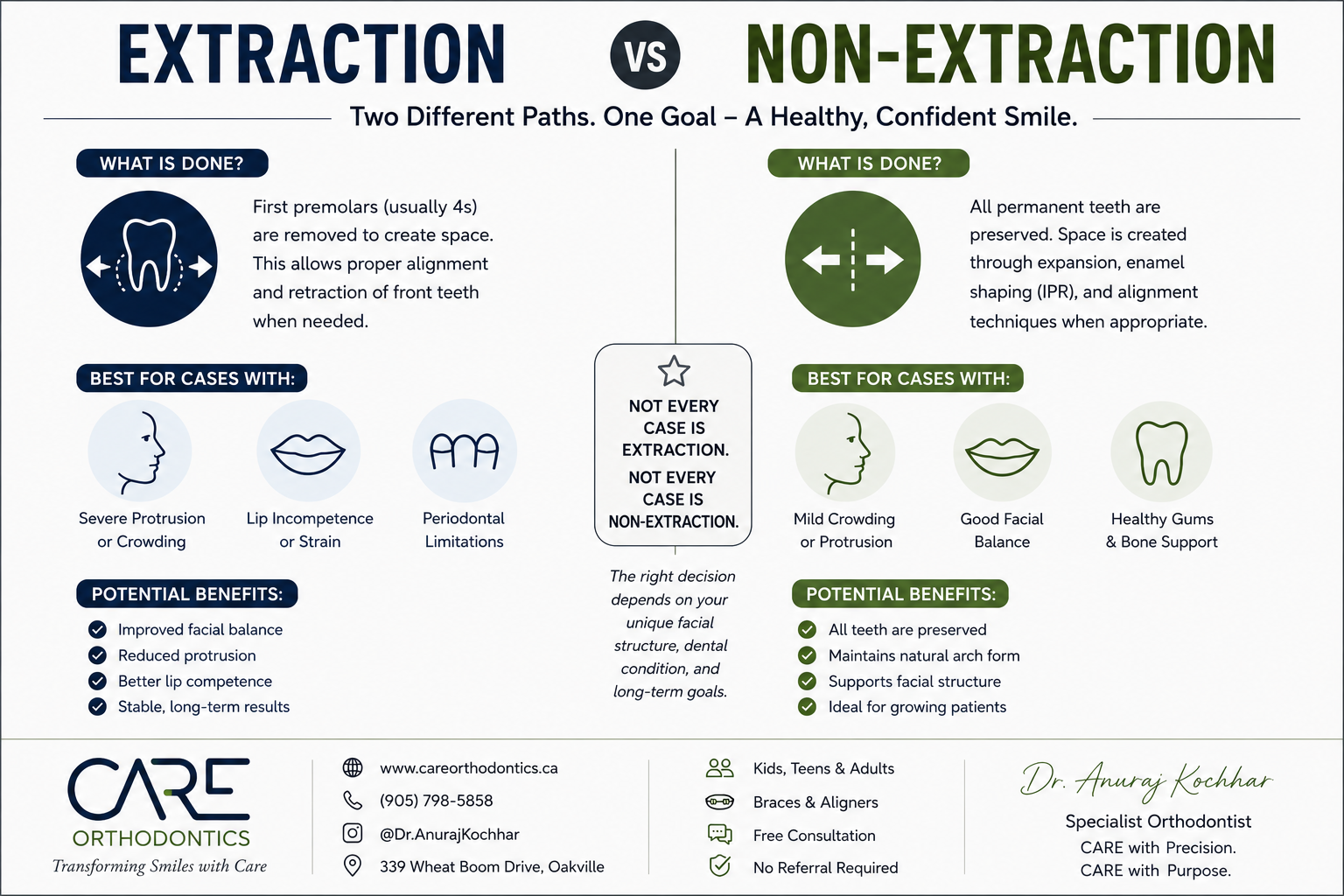
Orthodontics can play a role in recognising concerns and supporting care for selected patients. However, a wider smile does not automatically mean better sleep—and an appliance should never come with a blanket promise to cure sleep apnea.
What is airway-focused orthodontics?
Airway-focused orthodontics considers breathing concerns alongside the assessment of teeth, bite and jaw development.
An orthodontist may recognise signs that warrant medical investigation and refer a patient for further assessment. When appropriate, orthodontic treatment may form part of a coordinated plan with the patient’s medical team.
The American Association of Orthodontists emphasises that orthodontists should not independently diagnose and manage obstructive sleep apnea. Screening and medical collaboration are essential. (aaoinfo.org)
For families searching for airway orthodontics in Oakville, the starting point should be understanding the concern before choosing an appliance.
Can a palate expander help with sleep apnea in children?
A palate expander is used to widen a narrow upper jaw. Whether expansion will also improve a child’s sleep apnea requires a separate assessment.
The American Academy of Pediatric Dentistry highlights limitations in the evidence supporting expansion for childhood sleep apnea, including small studies and short follow-up periods. It recommends a complete orthodontic assessment and multidisciplinary care when considering these appliances. (aapd.org)
Parents should understand the difference between:
“Your child has a narrow upper jaw that would benefit from expansion.”
And:
“Expansion will cure your child’s sleep apnea.”
The first identifies an orthodontic treatment goal. The second makes a medical outcome claim that requires additional evidence and follow-up.
Child snoring and restless sleep: when should parents seek help?
Frequent snoring, pauses in breathing, choking or gasping during sleep, and persistent restless nights deserve attention from your child’s physician.
Children with obstructive sleep apnea may also experience daytime tiredness, difficulty concentrating or hyperactivity. These signs do not establish a diagnosis on their own, but they can justify further investigation. An orthodontic appointment should not delay medical assessment. (aaoinfo.org)
If you are searching for answers about mouth breathing in children, bring your observations to the appointment. Ask what needs assessment and whether referral to another professional is appropriate.
Can braces cure sleep apnea?
Braces should not be presented as a guaranteed cure for sleep apnea.
Braces move teeth and help correct bite problems. A recommendation involving sleep or breathing needs a clear explanation of the diagnosis, the proposed treatment’s role and how its effectiveness will be assessed.
Ask your clinician to separate the orthodontic goals from any proposed sleep-related benefits. Both deserve specific explanations.
Five questions to ask about airway orthodontic treatment
Before starting treatment promoted for breathing or sleep improvement, ask:
- What condition are we treating? Is it a narrow upper jaw, a bite problem, confirmed sleep apnea or a combination?
- Who is responsible for the sleep assessment? Will a physician or sleep specialist be involved?
- Why is this appliance appropriate for my child? What findings support the recommendation?
- How will we measure improvement? What follow-up is needed to assess the sleep-related goals?
- What happens if symptoms continue? What alternatives or additional care might be required?
A useful consultation should leave you understanding the expected benefits, uncertainties and next steps.
Choosing a children’s orthodontist in Oakville
When comparing orthodontic recommendations, look for an individual assessment, clear explanations and willingness to coordinate care.
A treatment plan should address your child’s needs rather than rely on broad promises about breathing, sleep or behaviour.
At Care Orthodontics in North Oakville, you can discuss your child’s bite, jaw development and orthodontic concerns with Dr. Anuraj Kochhar, Certified Specialist in Orthodontics and University of Toronto Clinical Instructor.
Book a complimentary orthodontic consultation. No referral needed.
Care Orthodontics
339 Wheat Boom Drive, Oakville, ON
Phone: 905-798-5858
Email: info@careorthodontics.ca
Website: careorthodontics.ca